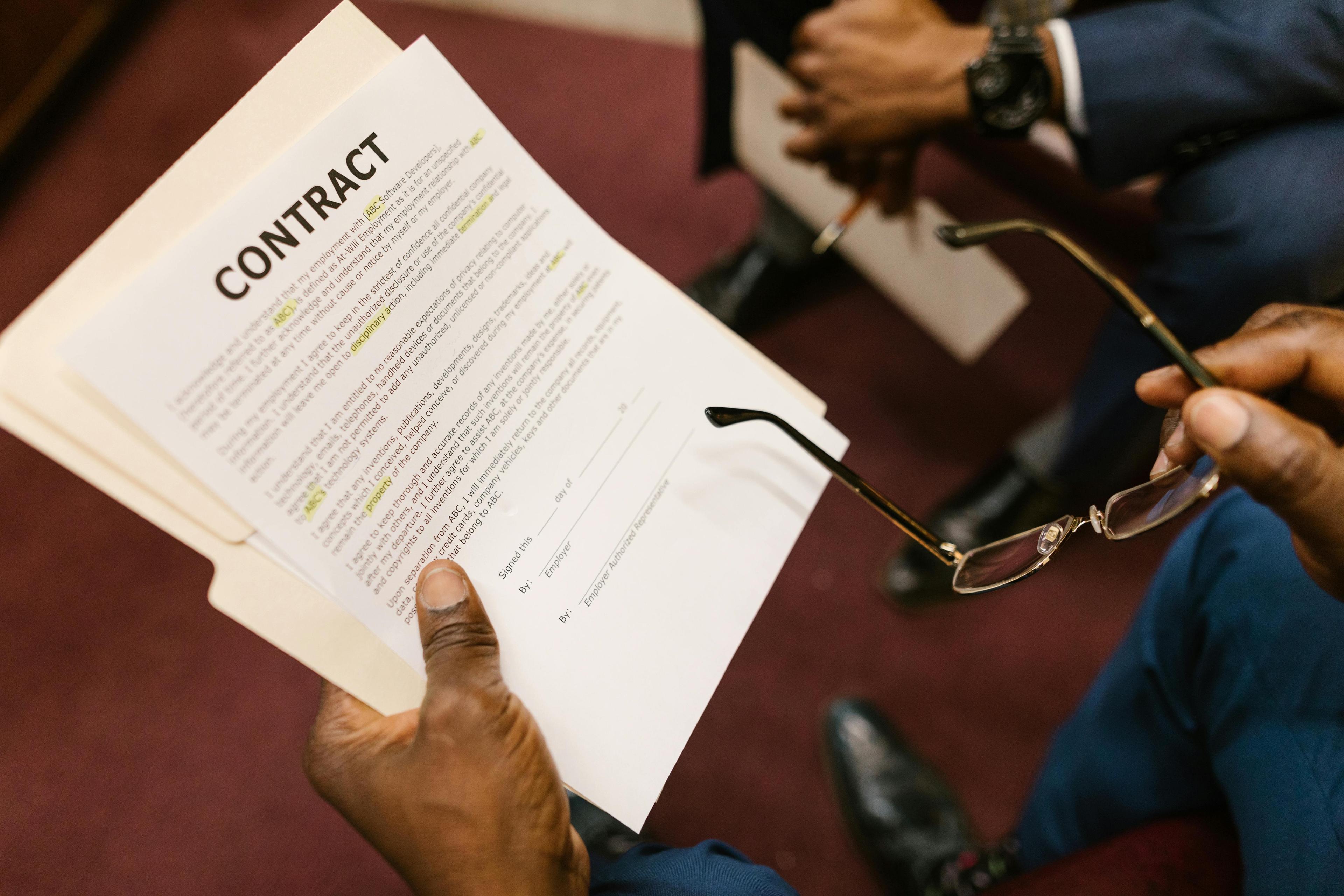

The Landlord and Tenant Board (LTB) is built so that landlords and tenants can appear without a lawyer. Tribunals Ontario explicitly allows parties to be self-represented or to appoint a representative, including a licensed lawyer or paralegal. That accessibility is real—but it does not mean every dispute is a good candidate for going it alone.
Whether you should pay for professional help is less about pride and more about math: what you stand to gain or lose, what representation will cost, and how likely you are to recover those fees if you win. This guide walks through that decision in plain terms for Ontario rental disputes.
This article is general information, not legal advice. Outcomes depend on your facts, documents, and the member hearing your matter.
What the LTB Actually Allows
Under the Practice Direction on Representation before the LTB, you may:
- Represent yourself at hearings and in written proceedings
- Hire a lawyer or licensed paralegal in good standing with the Law Society of Ontario
- In limited situations, use an unlicensed representative (for example, a volunteer at a legal clinic, or a friend or family member who meets Law Society exemption rules and does not charge a fee)
Corporate landlords are not required to retain outside counsel for routine LTB hearings; an employee with authority to bind the corporation may participate on the corporation’s behalf. That is different from appeals to Divisional Court or other superior-court proceedings, where corporate parties typically need a lawyer unless the court grants leave.
If you do retain counsel, your representative handles communication with the LTB and the other side and is responsible for preparing and presenting your case. When you are represented, Tribunals Ontario generally corresponds through your representative—not directly with you.
The Money Question: What Representation Costs
Fees vary by city, experience, and how messy the file becomes. Industry and market sources commonly cite these ranges for LTB work:
| Type of help | Typical range (Ontario market) | Notes |
|---|---|---|
| Licensed paralegal | Roughly $500–$2,000 for a straightforward hearing file | Often the default choice for standard LTB applications and hearings |
| Lawyer | Often $3,000–$10,000+ for comparable complexity | More common for reviews, appeals, overlapping Human Rights issues, or multi-party disputes |
| Hourly billing | Paralegals often under $200/hour; lawyers frequently $300+/hour | Adjournments, disclosure fights, and multiple hearing dates push totals up |
Many firms offer flat fees for discrete tasks—drafting and filing an L1 after an N4, or representing a tenant at a single T2 hearing—while complex files stay on hourly or staged billing.
Before you commit, ask what is included: form preparation, service of documents, negotiation with the other side, hearing attendance, and follow-up if the matter is adjourned. A low headline price that excludes the hearing itself is not a bargain.
Free or low-cost entry points exist. The Law Society Referral Service can connect you with a lawyer or paralegal for a free consultation of up to 30 minutes to discuss your situation and fee structure. Legal Aid Ontario–funded clinics also assist eligible tenants in many communities.
Why Winning Rarely Pays Your Legal Bill
A common misconception is that if you win at the LTB, the other side will pay your lawyer or paralegal. In practice, full fee recovery is the exception, not the rule.
The Board’s Interpretation Guideline on Costs and Rule 23 of the Rules of Procedure explain the framework:
- If you succeed, you may recover the application filing fee you paid—not your entire legal invoice.
- Representation and preparation fees are capped at $100 per hour, to a maximum of $700 per proceeding, even if you paid far more.
- Those representation costs are usually awarded only when the other party (or their representative) engaged in unreasonable conduct that caused undue delay or expense—not simply because you lost or they filed a weak case.
The LTB’s monetary jurisdiction tops out at $50,000 per application, but most orders involve practical remedies—eviction dates, compliance with repairs, modest rent abatements, or reimbursement of documented out-of-pocket expenses—not large damage awards.
Implication: If your dispute is about a few hundred dollars—a disputed key deposit, a one-time repair under $500, or a minor billing disagreement—paying $1,500 or more for representation will often cost more than anything you could realistically win or save, and you are unlikely to recoup the difference through a cost order.
When Self-Representation Is Often Enough
Handling your own case can be reasonable when:
- The stakes are low and the facts are simple — For example, a single missed rent payment that was cured before the hearing, or a narrow disagreement over whether a notice was served correctly when both sides agree on the underlying timeline.
- You have strong documentary proof — Signed leases, bank records, dated photos, email threads, and inspection reports that speak for themselves without expert testimony.
- You are comfortable with deadlines — The LTB runs on strict filing and disclosure rules. Missing a date or serving the wrong form version can end your case before the merits are heard.
- You can attend hearings reliably — Virtual hearings still require stable internet, working login details, and punctual attendance. No-shows routinely produce orders against the absent party.
Tribunals Ontario’s application and hearing process guide is a useful starting point if you choose to self-represent. Read the instructions for your specific form (N4, L1, T2, T6, etc.) before you file.
When Hiring a Lawyer or Paralegal Is Worth Serious Consideration
Professional help tends to earn its fee when errors are expensive or the procedural ladder gets steep.
Eviction or loss of your home
For landlords, a failed L1 can mean months of additional arrears and delayed possession. For tenants, a lost eviction defence can mean displacement, storage costs, and credit impact. When possession is on the line and you cannot absorb the downside, representation is often a rational insurance purchase—not a luxury.
Large rent arrears or substantial claims
If a tenant owes tens of thousands in rent, or a tenant seeks a major rent abatement for prolonged maintenance failures, the financial exposure justifies spending to get notices, ledgers, and evidence right the first time. Calculation errors on the L1 or L2 are a frequent source of dismissal or reduced awards.
T2, T6, T5, and other evidence-heavy tenant applications
Harassment, illegal entry, bad-faith termination, and maintenance applications require organized evidence, witness preparation, and sometimes cross-examination. Tenants who file incomplete applications, miss limitation periods, or fail to disclose documents on time can lose remedies permanently. Paralegals who practice primarily at the LTB often know these pitfalls cold.
N12, N13, and bad-faith disputes
Personal-use, purchaser, and demolition notices trigger compensation rules, affidavit requirements, and good-faith inquiries. Landlords face void notices and tenant remedies for bad faith; tenants need to understand T5 timelines and remedies. These files are poor candidates for “learn as you go” representation.
Reviews, reconsiderations, and Divisional Court appeals
A review of an LTB order is a technical, time-limited process distinct from the original hearing. An appeal to Divisional Court involves formal court rules, factums, and strict deadlines. Self-represented parties routinely stumble on procedure here; this is where lawyer involvement is most often appropriate.
You already lost once—or the other side has counsel
If the opposing party is represented and you are not, you are negotiating and litigating against someone who appears at the LTB regularly. That imbalance matters most in contested hearings, not in consent orders.
Lawyer vs. Paralegal: Which Fits an LTB Dispute?
Both lawyers and licensed paralegals may represent parties before the LTB. The better question is scope and budget—not prestige.
Choose a paralegal when:
- Your matter is a standard LTB application or hearing under the Residential Tenancies Act
- You want specialized tribunal experience at lower cost
- You need help with forms, service, disclosure, and a single or short series of hearings
Consider a lawyer when:
- You are appealing to Divisional Court or facing related superior-court proceedings
- Your case overlaps with Human Rights Code claims, fraud allegations, or corporate/commercial issues outside routine LTB practice
- The file involves multiple tribunals or jurisdictions
Always confirm the representative is licensed and in good standing with the Law Society of Ontario. The LTB can request a license number; suspended licensees cannot act.
A Simple Framework Before You Decide
Work through these questions in order:
- What is the worst realistic outcome if I lose? (Eviction, ongoing arrears, months without heat, bad-faith penalties)
- What is the best realistic outcome if I win? (Order for possession, abatement, compensation, compliance)
- What will representation cost—including a possible second hearing?
- Can I recover any of that cost if I win? (Usually only the filing fee, plus up to $700 in representation costs in narrow circumstances)
- How complex is the procedure? (Single N4/L1 path vs. T6 with experts vs. review/appeal)
If the answer to (1) or (2) is high and (5) is complex, professional help often pays for itself. If (1) and (2) are modest and (5) is straightforward, self-representation may be the rational choice—provided you invest time in forms, evidence, and deadlines.
Where to Find Help—and Learn From Similar Disputes
If you decide representation makes sense, you do not have to start from a blank page. RentZen helps Ontario landlords and tenants connect with licensed paralegals who focus on LTB work. Browse vetted professionals at /paralegals.
Want to see how disputes like yours have played out before you file or hire? Explore anonymized outcomes and order patterns in our /case-study library to understand what members actually order—not just what forms promise.
Bottom Line
The LTB is open to self-represented parties by design. That does not make every case DIY-friendly. Small-dollar disagreements rarely justify thousands in legal fees you will not get back. High-stakes evictions, large arrears, complex tenant applications, and post-hearing reviews are different: procedural mistakes there can cost far more than representation ever would.
Be honest about your risk tolerance, your paperwork, and your time. Then choose self-representation, a paralegal, or a lawyer deliberately—not by default.
Sources and further reading